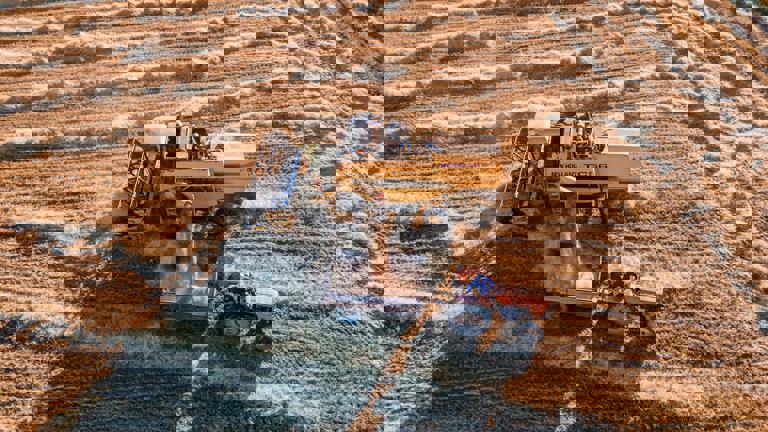
Alberta wheat producers are witnessing an extraordinary increase in exports as global drought conditions disrupt traditional grain supply chains. The province, known for its vast prairies and robust agricultural sector, has become a focal point for international buyers searching for reliable wheat supplies. Industry experts attribute this surge to a convergence of factors affecting major wheat-producing regions across the globe, marking a turning point for Canadian agriculture.
The current spike in demand is largely driven by ongoing drought conditions in critical grain-producing nations such as the United States, Ukraine, and Australia. These regions, typically the heavyweights in the global wheat market, have reported reduced yields and quality issues due to prolonged dry weather and extreme temperatures. As a result, global wheat inventories have tightened, leading buyers to look for stable alternatives, including Alberta’s high-quality grain.
According to the Canadian Grain Commission, Alberta wheat exports have reportedly increased by more than 20% in the last twelve months, compared to the previous year. Shipments to key markets in Asia, the Middle East, and Africa have sharply risen, with Canada now ranking as one of the largest wheat exporters worldwide. This diversification in export destinations is helping farmers mitigate risks associated with reliance on just a few large buyers.
“We’ve seen inquiries and orders from countries that have never purchased Canadian wheat before,” said Karen Hall, an agronomist with the Alberta Wheat Commission. She explained that supply constraints elsewhere have made Alberta’s reliable output appealing to foreign markets. Hall also noted that advantageous trade agreements have further facilitated the province’s newfound prominence in international wheat trade.
Higher wheat prices, a direct consequence of global scarcity, have delivered a windfall for Alberta farmers. Average prices in 2024 have climbed substantially, with some reports suggesting an increase by as much as 35% compared to last year’s figures. For many local producers, this windfall is a welcome respite after years of weather-related uncertainty and fluctuating commodity prices that have often challenged their bottom lines.
Analysts caution, however, that this export rush is not without its challenges. With the rapid increase in exports, logistical bottlenecks have emerged, particularly in rail and port infrastructure. Grain elevators are running at capacity, and shippers are grappling with limited availability and increased costs. The Canadian National and Canadian Pacific railways have both noted heightened demand, prompting discussions around long-term investments in transportation infrastructure.
Sustainability remains at the forefront of industry discussions, as climate volatility continues to pose risks for future harvests. Alberta farmers are increasingly adopting resilient farming techniques, such as crop rotation, precision agriculture, and conservation tillage, to safeguard against environmental unpredictability. Agricultural researchers warn that while the current export boom is beneficial, ongoing climate adaptation will be essential to maintain production levels.
Another dimension of Alberta’s wheat export surge is its impact on local communities and rural economies. Agriculture plays a critical role in job creation across the province, and higher wheat prices are injecting much-needed capital into small towns. Local businesses that support the agricultural sector, from equipment suppliers to grain elevators, are experiencing increased demand for their products and services, fostering broader economic stability.
Government policies and international trade relations are also influential in shaping Alberta’s status as a major exporter. Recently negotiated market access agreements have allowed Alberta producers to reach markets previously limited by tariffs or regulatory hurdles. Government support in the form of crop insurance and research funding has further bolstered farmers’ confidence to invest in expanding operations and adopting new technologies.
Environmental groups have raised concerns about the potential ecological impact of expanding wheat production to meet export demand. There are calls for stricter enforcement of land use regulations and incentives for sustainable practices to balance economic growth with ecological stewardship. Ensuring the health of Alberta's agricultural lands, water resources, and biodiversity will be key challenges as production intensifies in response to rising global demand.
On the consumer side, some Canadians have started to notice higher prices for wheat-based products in local stores. Although most of the surge in wheat prices is absorbed at the wholesale and export levels, experts point out that persistent international demand could eventually influence domestic food costs. Advocacy organizations are urging government and industry leaders to monitor the situation closely to protect food security at home.
Looking forward, Alberta producers remain cautiously optimistic. Market analysts forecast that as long as drought and climate disruptions persist elsewhere, the province’s wheat sector will likely remain in high demand. However, there is widespread recognition that this competitive advantage is precarious, dependent not just on favorable weather at home but also on global climatic trends and international policy shifts. Ongoing innovation and adaptation will be critical in ensuring sustained success for Alberta wheat exporters.