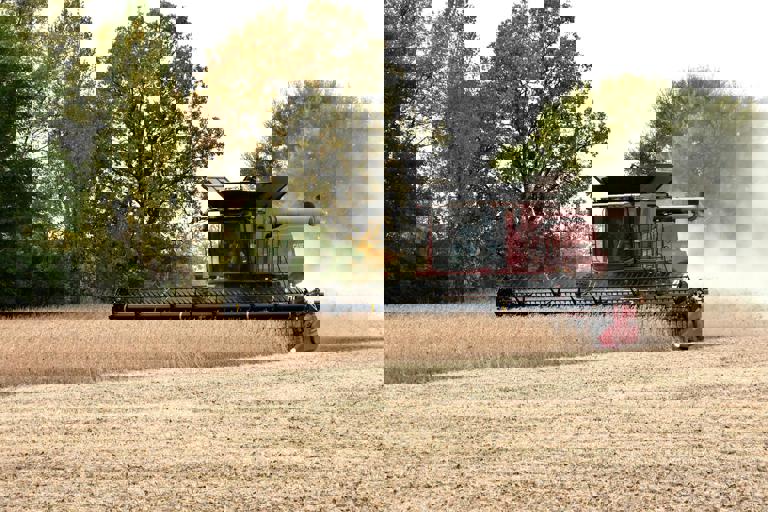
As the demand for sustainable solutions grows within the agricultural sector, a local technology startup is making a pivotal shift in its business model. Previously focused on urban mobility options, the company is now channelling its innovative energy toward the design and manufacture of electric-powered farm machinery. This strategic transition comes in response to a surge of interest from prairie farmers intent on reducing carbon emissions and lowering operational costs on their sprawling farmlands.
The decision to pivot was influenced heavily by firsthand feedback from the farming community during a series of technology expos and agricultural forums held over the past year. According to company CEO Maya Leung, many rural producers expressed frustration with the rising costs of diesel fuel and voiced keen interest in eco-friendly alternatives. “It became clear that the next wave of tech adoption would be in the fields, not just the cities,” Leung said in a recent interview.
Electric tractors and harvesters represent a major leap forward in the modernization of agriculture. Unlike traditional combustion engine equipment, electric models promise lower greenhouse gas emissions, quieter operation, and less maintenance. For prairie regions, where farming is both a way of life and a significant economic driver, such innovations could translate into substantial savings and improved environmental outcomes over the long term.
The startup has already begun collaborating with both engineers and agronomists to ensure their prototypes meet the rugged demands of prairie agriculture. Field trials have been scheduled for the coming season, with several mid-sized farms volunteering to provide real-world testing environments. These trials will allow the company to observe equipment performance under various planting, tending, and harvesting conditions unique to Canadian prairies.
Initial investments in the pivot are considerable, but the company sees the long-term payoff as worth the risk. A recent report from CleanTech Canada estimates the electric agricultural machinery market could triple in value nationwide over the next five years, driven by both government incentives and consumer demand for sustainable food production. By entering this market early, the startup hopes to secure a leading position.
Industry experts note that the move toward electrification in farming is not without challenges. Dr. Ravi Bhullar, a professor of agricultural engineering at a leading university, points out that access to reliable charging infrastructure and ensuring that machines have sufficient battery range for daylong tasks are hurdles that must be addressed. Nonetheless, he adds, “The momentum is there, and the environmental case is strong.”
To tackle these challenges head-on, the company is working on high-efficiency, quick-charging battery systems. They aim to offer modular battery packs that can be swapped out in the field, minimizing downtime and offering flexibility for larger operations. This approach, the company believes, will address concerns over range anxiety and maximize machine utilization during critical periods of the farming calendar.
Another appealing aspect of electric machinery is reduced noise and vibration, making daily operations less taxing for machine operators. Farmer Jack Trelawny, one of the early adopters participating in the trial program, noted, “Our fields are quieter. You can hear the birds again while you work. It's more pleasant for everyone and safer, too.” Such feedback is instrumental as the startup fine-tunes its designs to cater to real-world conditions.
Financially, the transition to electric farm equipment has invited interest from green investment funds and climate-focused grants. The startup recently secured a $2 million injection from a provincial innovation fund dedicated to cleantech, enabling them to expedite their research phase. This funding, coupled with potential federal incentives for carbon reduction technologies, positions the firm well for future scaling.
The broader implications for Canada’s agricultural economy are significant. As farmers adopt cleaner technologies, the country strengthens its credentials as a producer of sustainable food. This could open export opportunities to markets where consumers are increasingly concerned about the carbon footprint of agricultural products, providing local producers with a new competitive edge on the world stage.
Government agencies have been quick to endorse efforts that support emissions reduction targets under national and international climate agreements. A spokesperson from the federal agriculture department said, “Innovation in farm machinery is a cornerstone of our strategy to help the sector reduce emissions by 30 percent by 2030. We are encouraged by homegrown companies rising to lead this change.”
Looking ahead, the tech startup plans to expand its product line beyond tractors and harvesters to include electric seeders and sprayers. The company remains committed to engaging with farmers at every step, ensuring that each piece of equipment is not only technologically advanced but also practical and affordable. As prairie farmers prepare to embrace this new chapter, the future of sustainable agriculture in Canada appears increasingly bright and innovative.