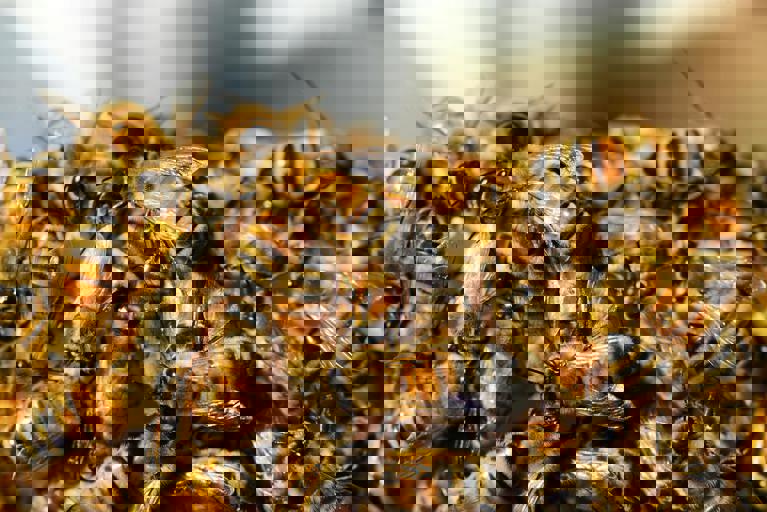
The gentle hum of honeybees is no longer limited to rural fields. Increasingly, city dwellers are embracing rooftop beekeeping, turning their urban spaces into productive sanctuaries for pollinators and honey lovers alike. This rising trend sees residents transforming unused rooftop space into vibrant apiaries, supporting bee populations while producing unique, hyper-local honey that boasts distinctive flavors thanks to city flora.
Urban beekeeping is gaining momentum across Canada’s cities, with rooftops presenting an innovative solution for apiarists facing limited ground space in densely populated neighborhoods. “City environments still offer a variety of flowering plants,” says Dr. Emily Harper, an urban agriculture researcher. “It’s amazing to see how adaptable both people and bees can be when space is at a premium.” Rooftop hives maximize sunlight exposure while avoiding many ground-level threats.
Municipal support for rooftop beekeeping is also growing, as cities revise bylaws to encourage environmentally friendly practices. In Vancouver, for example, regulations allow for several hives per building, provided safety and hive management protocols are maintained. Advocacy groups argue that bees on high-rises face fewer pesticide exposures than those in agricultural areas, often resulting in healthier hives with iconic city brands of honey.
Enthusiasts praise rooftop beekeeping not just for its environmental benefits, but as a rewarding hobby connecting urbanites to nature. “It’s remarkable to watch bees navigate the city skyline and return covered in pollen,” shares Olivia Ng, who maintains three rooftop hives. For many, the hands-on routine of hive maintenance delivers a welcomed respite from urban stress, fostering mindfulness and stewardship.
The environmental impact of rooftop beekeeping is profound, as honeybee populations continue to face threats from pesticides, disease, and habitat loss. Urban apiaries provide safe havens that help pollinators thrive. According to the Canadian Honey Council, urban hives contributed to a measurable uptick in city flower and garden pollination rates, benefitting local flora and strengthening food security initiatives.
Small-batch, city-produced honey has also become a sought-after delicacy among food enthusiasts. Local chefs and home cooks cherish the nuanced flavors obtained from city-bred bees, whose nectar sources range from community gardens and balcony planters to native tree blossoms. “Each rooftop offers a different taste palette depending on the season and floral diversity,” notes chef Marcus Saint-Clair. These unique flavors distinguish urban honey from traditional blends.
Setting up a rooftop hive requires careful planning and respect for local wildlife regulations. Prospective beekeepers must ensure structural safety, accessibility, and hive placement to minimize disturbance. Training courses, often hosted by local beekeeping associations, teach newcomers essential skills, including hive care, swarm prevention, and honey extraction. “Education is key,” says veteran beekeeper Sarah Dupuis. “Responsible practices keep both bees and neighbors happy.”
Concerns about safety and potential allergies have led to some hesitancy from neighbors, but incidents remain rare when best practices are followed. Modern rooftop hives are designed for minimal disturbance, with bees foraging above human activity zones. Beekeeping organizations often mediate between residents, addressing concerns by emphasizing communication and providing tours that showcase the bees’ docile nature.
Beyond honey, urban rooftop hives generate educational and community engagement opportunities. Schools and non-profit groups collaborate with rooftop beekeepers to offer hands-on workshops, teaching children and adults about the vital role of pollinators in ecosystems. These programs foster a greater appreciation for biodiversity and encourage environmental stewardship, equipping the next generation with knowledge and a sense of responsibility for the natural world.
Financially, urban beekeeping can yield modest supplemental income for hobbyists and small businesses. Rooftop apiaries supply farmers’ markets, boutique grocers, and restaurants with exclusive honey varieties. Some urban beekeepers also sell beeswax for candles and cosmetics, diversifying their product offerings. The increasing demand for hyperlocal, eco-friendly goods gives these entrepreneurial ventures strong appeal with urban consumers.
As more city dwellers install rooftop hives, questions around long-term sustainability arise. Experts urge continuous monitoring of hive health, parasite management, and bee genetics to avoid over-concentration and disease transmission. Collaboration between municipalities, universities, and beekeeping collectives is essential to develop guidelines that balance urban productivity with pollinator well-being. These partnerships are key to ensuring the longevity of rooftop beekeeping initiatives.
Looking ahead, rooftop beekeeping is poised to play a vital role in reconnecting urban populations with natural cycles, promoting biodiversity, and supporting resilient food systems. As cityscapes evolve, these high-rise hives serve as remarkable reminders that even in the heart of the metropolis, individuals can make a tangible impact on environmental health. The rising movement demonstrates that innovation and stewardship can flourish above the city’s hustle and bustle.